
meat buyers guide
Meat Buyer’s Guide: A Comprehensive Overview
Navigating the world of meat purchasing requires understanding quality, sourcing, and cost-saving strategies.
This guide empowers you to confidently select delicious and affordable options,
from local farms to supermarket sales, ensuring a satisfying culinary experience.
Rising meat prices demand savvy shopping; explore diverse cuts and embrace collaborative buying.
Prioritize freshness, learn grading systems, and discover how to maximize your budget without compromising flavor.
Understanding Meat Quality Grades
Meat quality grading is a system established to categorize beef, pork, and poultry based on factors like marbling, maturity, and appearance. These grades, determined by agricultural experts, provide consumers with a standardized way to assess potential tenderness, juiciness, and flavor. Understanding these classifications is crucial for making informed purchasing decisions and ensuring you receive a product that meets your expectations.
While grading is mandatory for beef, it’s less common for pork and poultry. For beef, the USDA grades—Prime, Choice, and Select—are the most recognized. Prime boasts abundant marbling, promising exceptional tenderness and flavor, making it ideal for special occasions. Choice offers good quality with less marbling, suitable for everyday cooking. Select is the leanest, often requiring marinating or slower cooking methods to maximize tenderness.

Knowing these distinctions allows you to balance quality with budget, selecting the grade that best suits your needs and culinary plans. Don’t hesitate to ask your butcher about the grading of the meat you’re considering!
Beef Grades: Prime, Choice, and Select
Beef grading, overseen by the USDA, centers around three primary categories: Prime, Choice, and Select. Prime represents the highest quality, characterized by extensive marbling – the intramuscular fat that contributes to tenderness, juiciness, and flavor. It’s typically reserved for restaurants or special occasions due to its higher price point. Expect a rich, buttery taste and incredibly tender texture.
Choice beef offers excellent quality, though with slightly less marbling than Prime. It’s a versatile option suitable for various cooking methods and remains a popular choice for home cooks. You’ll find a good balance between flavor and affordability with Choice cuts.

Select is the leanest grade, containing minimal marbling. While more affordable, it may require marinating or slower cooking techniques to achieve optimal tenderness. Consider Select for stir-fries, lean ground beef, or when you prioritize lower fat content. Understanding these distinctions empowers you to choose beef that aligns with your preferences and budget.
Pork Quality Grades: Understanding Variety

Unlike beef, pork grading isn’t as consistently applied or widely publicized. The USDA does have a grading system, but most pork sold commercially falls into either “USDA Prime,” “USDA Choice,” or is simply labeled as “USDA Approved.” However, factors beyond official grades significantly impact pork quality and flavor.
Marbling, similar to beef, contributes to juiciness and tenderness in pork. Look for cuts with some visible fat interspersed within the muscle. Color is also important; pork should have a pinkish-red hue. Avoid cuts that appear pale or grayish.
Different cuts offer varying levels of tenderness and flavor. Tenderloin is the most tender, while shoulder (Boston butt) is flavorful but benefits from slow cooking. Consider the cooking method when selecting your pork. Understanding these nuances allows you to choose cuts that best suit your culinary needs and preferences, maximizing your enjoyment.
Poultry Grading: What to Look For
Poultry grading, primarily for chicken and turkey, focuses on factors like conformation, fleshing, and the absence of defects. The USDA grades are “A,” “B,” and “C,” with “A” being the highest quality. However, you’ll rarely see “B” or “C” grades in retail settings.
When selecting poultry, focus on freshness indicators. The flesh should be firm to the touch and have a natural color – pinkish for chicken, and a slightly darker hue for turkey. Avoid poultry with a slimy texture or any off-putting odors. Packaging should be tightly sealed, without excessive liquid.
Organic and free-range labels indicate specific farming practices, but don’t necessarily reflect USDA grade. Consider these labels based on your personal preferences. Ultimately, prioritizing freshness and proper handling will ensure a safe and flavorful poultry experience.

Where to Buy Meat
Explore diverse purchasing avenues – local farms, co-ops, butcher shops, and supermarkets – each offering unique benefits.
Direct sourcing and expert guidance can elevate your meat selection.
Consider convenience, price, and quality when choosing your preferred vendor, aligning with your culinary needs and budget.

Local Farms and Ranches: Direct from the Source
Connecting directly with local farms and ranches presents a compelling opportunity to acquire high-quality meat, fostering a relationship with the producers and understanding their practices. Many smaller farms now offer “cow shares,” allowing consumers to purchase a quarter, half, or even a whole animal, often at significantly reduced per-pound costs.
This approach requires a larger upfront investment and freezer space, but the savings can be substantial, and you gain control over the cuts you receive. Contacting local farmers markets is an excellent starting point to identify nearby farms offering this service. Furthermore, buying directly supports local agriculture and promotes sustainable farming methods. Consider rounding up family or friends to share a larger purchase, making it more accessible.
Sourcing meat this way ensures transparency and often provides access to grass-fed, pasture-raised options, prioritizing animal welfare and potentially enhancing the flavor profile of the meat. It’s a commitment to quality and a direct investment in your community.
Meat Co-ops: Collaborative Buying Power
Joining a meat co-op offers a unique avenue for accessing quality meat at competitive prices, leveraging the collective buying power of its members. These cooperatives typically pool resources to purchase directly from farms or wholesalers, securing bulk discounts that individual consumers wouldn’t be able to obtain.
The structure of meat co-ops varies; some require membership fees and regular participation, while others operate on a more flexible basis. Members often contribute to the initial purchase and then receive a share of the meat based on their contribution. This model fosters a sense of community and supports local producers.
Exploring meat co-ops in your area can reveal opportunities to access sustainably raised, ethically sourced meat, often with greater transparency regarding farming practices. It’s a fantastic way to support local agriculture, reduce costs, and enjoy high-quality protein.
Butcher Shops: Expertise and Custom Cuts
Visiting a local butcher shop provides a personalized meat-buying experience unmatched by supermarkets. Butchers possess in-depth knowledge of different cuts, their optimal cooking methods, and can offer tailored recommendations based on your preferences and needs. They are a valuable resource for understanding meat quality and sourcing.
Unlike pre-packaged options, butcher shops excel at custom cuts. Need a specific thickness for steaks, or a particular roast size? A skilled butcher can accommodate your requests, ensuring you get precisely what you want. This level of customization minimizes waste and maximizes culinary satisfaction.
A good butcher prioritizes freshness and often sources meat from local farms, guaranteeing quality and supporting regional agriculture. Don’t hesitate to ask about their sausage-making practices – fresh, high-meat content sausages are a hallmark of a reputable shop.
Supermarkets: Convenience and Selection
Supermarkets offer unparalleled convenience and a broad selection of meat products, making them a popular choice for many shoppers. You’ll find a wide variety of beef, pork, poultry, and processed meats all in one location, streamlining your grocery shopping experience. This accessibility is a significant advantage for busy individuals and families.
However, the quality and sourcing of supermarket meat can vary. While many supermarkets now offer higher-grade options, it’s crucial to carefully examine packaging and labeling. Look for clear information regarding origin, grading (Prime, Choice, Select), and sell-by dates to ensure freshness.
Savvy shoppers can capitalize on supermarket sales and discounts to save money on meat. Keep an eye out for “yellow sticker” deals – reduced prices on items nearing their sell-by date – but inspect the meat carefully before purchasing to confirm its quality.

Saving Money on Meat
Strategic purchasing, like bulk buying or utilizing sales, significantly reduces meat costs. Explore options such as cow shares, co-ops, and discounted “yellow sticker” items.
Choosing affordable cuts and embracing flexible meal planning further maximizes your budget, ensuring delicious meals without financial strain.
Buying in Bulk: Quarter, Half, or Whole Animals
Investing in a quarter, half, or whole animal represents a substantial upfront cost, but delivers significant long-term savings for dedicated meat consumers. Local farms and ranches frequently offer these options, establishing a direct connection to the source and often guaranteeing higher quality.
Consider your freezer capacity and consumption habits before committing. A quarter animal suits smaller families, while a half or whole requires considerable space and a willingness to store meat for extended periods. Coordinating with family or friends to share a purchase can mitigate both cost and storage concerns.
The process typically involves paying a per-pound price for the “hanging weight,” which includes bone and fat. Expect to yield approximately 60-70% of that weight in actual, usable meat. Discuss cutting instructions with the farmer or butcher to ensure you receive the desired cuts and packaging. This method provides control over sourcing and often results in a more diverse selection of cuts than typical supermarket offerings.
Utilizing Sales and Discounts
Savvy meat buyers consistently monitor sales and discounts at supermarkets and butcher shops. Weekly flyers, online promotions, and loyalty programs are excellent resources for identifying price reductions on various cuts. Planning meals around discounted items can significantly lower your grocery bill.
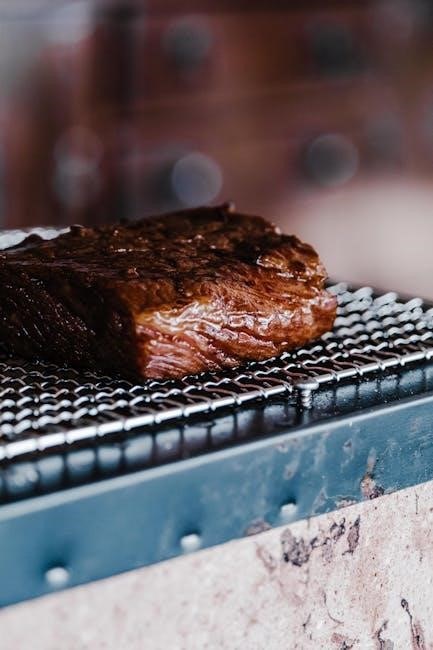
Don’t overlook the potential of store-brand meats, which often offer comparable quality at a lower price point than name brands. Comparing unit prices (price per pound) is crucial for determining the best value, regardless of brand. Consider stocking up on frequently used items when they are on sale, ensuring you have a reserve for future meals.
Furthermore, explore opportunities for coupons and rebates. Many supermarkets offer digital coupons through their apps or websites. Combining sales, coupons, and store loyalty discounts can yield substantial savings, allowing you to enjoy a variety of meats without exceeding your budget.
Yellow Sticker Meat: Timing is Key
Supermarkets frequently reduce the prices of meat nearing its sell-by date, marking it with yellow stickers; This presents a fantastic opportunity for budget-conscious shoppers to acquire quality protein at significantly reduced costs. However, timing is crucial to maximize freshness and value.

The best time to find these discounts is typically in the late afternoon or early evening, usually a day before the sell-by date. Arriving shortly after the markdown process begins increases your chances of securing the freshest selections. Be prepared to act quickly, as popular items disappear rapidly.
Always inspect yellow-stickered meat carefully for quality. Check the color, texture, and smell to ensure it’s still fresh and suitable for consumption. If you plan to use it immediately or freeze it for later, yellow sticker meat can be an excellent way to save money.
Choosing Affordable Cuts
Savvy meat buyers understand that flavor and tenderness aren’t exclusive to premium cuts. Exploring less popular options can significantly reduce your grocery bill without sacrificing delicious meals. Consider cuts like chuck roast, pork shoulder, or chicken thighs – these often deliver exceptional flavor when cooked properly.
Slow cooking methods, such as braising or stewing, excel at tenderizing tougher, more affordable cuts. Marinating can also enhance both flavor and texture. Don’t shy away from ground meats; they’re versatile and economical for burgers, meatballs, or sauces.
Furthermore, familiarize yourself with different cuts and their best uses. A little research can unlock a world of budget-friendly possibilities, allowing you to enjoy a variety of meats without overspending. Don’t let a tight budget limit your culinary creativity!

Evaluating Meat Freshness
Assessing freshness involves checking color, texture, and smell. Pay attention to sell-by dates, but trust your senses; a reputable butcher is a valuable resource.
Good butchers prioritize daily sausage production and maintain high meat quality, ensuring a safe and delicious purchase for discerning consumers.
Color and Texture Indicators
Evaluating meat freshness begins with visual cues. Beef should exhibit a bright, cherry-red color, though vacuum-sealed packages may appear purplish due to oxygen depletion – this is normal and the color should return upon exposure to air. Avoid beef that is brown or gray, as this indicates spoilage.
For poultry, look for a pinkish hue with no bruising. Yellowish discoloration can suggest age or improper storage. Pork should be pinkish-red, avoiding any grayish tones. Texture is equally important; fresh meat should be firm to the touch, springing back when gently pressed.
Slimy or sticky textures are strong indicators of bacterial growth and should be avoided. Inspect for any off-putting odors, as a fresh product should have a minimal scent or a slightly meaty aroma. Remember, these are guidelines, and relying on a trusted butcher’s expertise is always beneficial.
Sell-By and Use-By Dates Explained
Understanding date labels on meat packaging is crucial, but often misinterpreted. “Sell-By” dates are for the retailer, indicating how long the product should be displayed for sale. Meat can often be safely consumed after this date, provided proper storage has been maintained. “Use-By” dates, however, are more indicative of peak quality – flavor and texture may decline afterward, but the product isn’t necessarily unsafe.
It’s important to note that these dates aren’t federal requirements for all meat products, and can vary. Always prioritize visual and olfactory checks – color, texture, and smell – over relying solely on the date. Properly refrigerated meat, even past the “Sell-By” date, can remain safe for several days.
Freezing meat significantly extends its shelf life, regardless of the date on the package. When in doubt, err on the side of caution and consult a reliable source or your butcher.
The Importance of Smell
Beyond visual inspection and date labels, the smell of meat is a critical indicator of freshness. Fresh meat should have little to no odor. A slight, almost imperceptible scent is acceptable, but any sour, ammonia-like, or otherwise “off” smell is a clear sign of spoilage and the meat should be discarded immediately.
This is because bacterial growth produces volatile compounds that create unpleasant odors. Relying on your sense of smell is a simple yet effective way to ensure you’re consuming safe and high-quality protein. Don’t hesitate to give the meat a sniff – it’s a far more reliable test than appearance alone.
A good butcher will also readily allow you to smell the meat, demonstrating their commitment to quality and transparency. Trust your instincts; if something smells wrong, it likely is.
Finding a Good Butcher: Key Indicators
Locating a reputable butcher is paramount for consistently high-quality meat. Inquire about their sausage production – a skilled butcher crafts sausages daily, ensuring freshness and flavor. High meat content and recent creation (within 24 hours) are hallmarks of quality sausages.
Furthermore, observe the shop’s cleanliness and the butcher’s willingness to answer questions. A knowledgeable butcher will happily discuss cuts, sourcing, and cooking methods. Look for partnerships with local farms, indicating a commitment to fresh, sustainable practices.
Don’t hesitate to ask about custom cuts or specific requests; a good butcher will accommodate your needs. A clean, well-maintained display case and attentive service are also positive signs. Prioritize butchers who prioritize quality over simply moving product.