
chinese characters practice sheet pdf
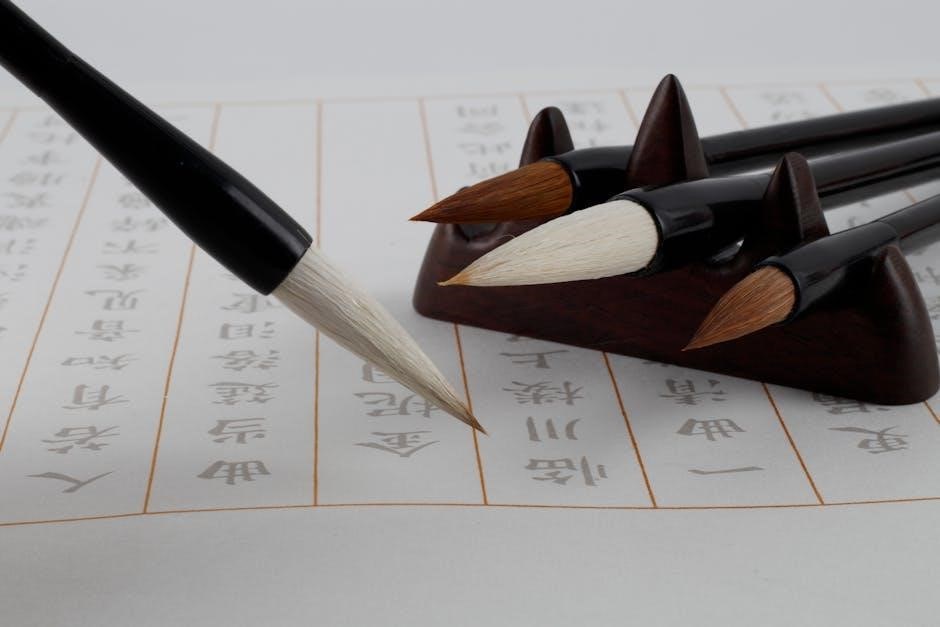
Chinese character practice sheets, often available as PDF downloads, are invaluable tools for learners. They provide structured grids – like the ‘rice’ field – for focused handwriting practice.
Resources like “The First ” and materials linked to “Integrated Chinese” textbooks offer readily accessible practice options for Mandarin students.
What are Chinese Character Practice Sheets?
Chinese character practice sheets are specifically designed resources to aid in the memorization and correct writing of Hanzi, the characters used in the Chinese language. Typically found as PDF files for easy printing, these sheets feature grids – most commonly resembling the character for ‘rice’ – providing a structured framework for practice.
These sheets aren’t simply blank spaces; they guide learners in achieving proper character proportion and structure. They often include lightly printed versions of the character itself as a tracing guide, or multiple blank squares for independent replication. Resources like those accompanying “The First 1000 Chinese Characters” and “Integrated Chinese” textbooks provide pre-made sheets tailored to specific lessons and vocabulary.
The availability of these sheets in PDF format allows for convenient access and repeated use, making them a cost-effective and practical component of any Chinese language learning journey. They are a fundamental tool for building muscle memory and developing legibility.
Why Use Practice Sheets for Learning Chinese?
Utilizing Chinese character practice sheets – readily available as PDF downloads – significantly enhances the learning process. Mastering Hanzi demands consistent repetition, and these sheets provide a focused environment for that practice. They move beyond simple memorization, fostering a deeper understanding of character structure and stroke order.
PDF format offers practicality; sheets can be printed repeatedly, allowing learners to refine their handwriting without wasting paper. Resources like those linked to “Integrated Chinese” textbooks integrate practice directly with course material, reinforcing learning. Furthermore, using a grid, like the common ‘rice’ field, aids in maintaining correct proportions, a crucial aspect of legibility.
Practice sheets are particularly beneficial for visual and kinesthetic learners, solidifying character recognition through physical writing. They are a cost-effective supplement to formal study, promoting independent learning and building a strong foundation in Chinese writing.
Understanding Chinese Characters
Chinese characters, or Hanzi, exist in simplified and traditional forms. Learning involves recognizing radicals – core components – and mastering correct stroke order for legibility.
Simplified vs. Traditional Chinese Characters
Simplified Chinese characters were officially introduced in mainland China in the mid-20th century to increase literacy. They represent a streamlined version of many traditional characters, reducing the number of strokes required for writing.
Traditional Chinese, still used in Hong Kong, Taiwan, and Macau, retains the older, more complex forms. When selecting practice sheets – often found as PDF downloads – learners must choose a version aligned with their learning goals and the region whose standard they are studying.
Many resources offer both simplified and traditional practice sheets. “The First 1000 Chinese Characters” provides options for both. Understanding this distinction is crucial, as character shapes differ significantly, and practicing the wrong form can hinder comprehension and communication. Consistent practice with the chosen character set is key.
Radicals: The Building Blocks of Characters
Radicals, also known as components, are fundamental elements within Chinese characters. They often provide clues to a character’s meaning or pronunciation. Mastering radicals significantly aids in character memorization and recognition.
Effective practice sheets, frequently available as PDF files, often emphasize radical identification. Some utilize a “field grid” approach, visually decomposing characters into their constituent radicals. This decomposition helps learners understand the character’s structure.
Focusing on radicals during practice isn’t just about memorization; it’s about understanding the logic behind character construction. Resources like those accompanying “Integrated Chinese” may incorporate radical-focused exercises. Recognizing these building blocks accelerates learning and improves recall, making practice sheets a powerful tool for building a strong foundation.
Stroke Order: The Foundation of Legibility
Stroke order – the sequence in which lines are drawn to form a character – is crucial for both legibility and memorization. Incorrect stroke order can lead to poorly formed characters and hinder recognition. Consistent practice reinforces the correct sequence.
Many Chinese character practice sheets, often found as PDF downloads, implicitly teach stroke order through the guided writing spaces. While not always explicitly numbered, careful observation of model characters within the grid reveals the proper flow.
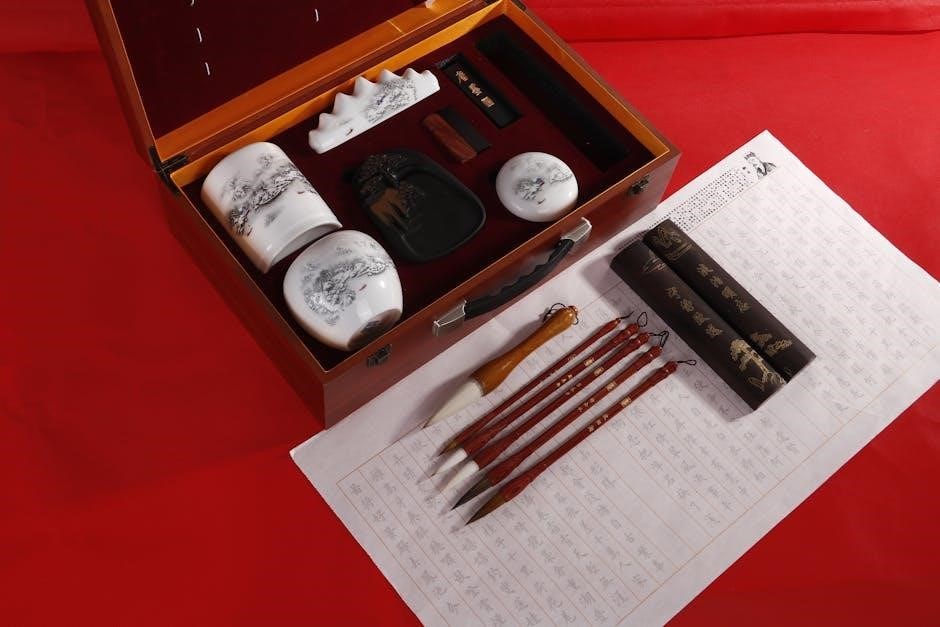
Resources designed for beginners, like those accompanying introductory Mandarin courses, often prioritize stroke order. Utilizing squared paper alongside practice sheets further aids in understanding the spatial relationships of strokes. Mastering stroke order transforms character writing from a daunting task into a systematic and achievable skill.

Finding and Utilizing PDF Practice Sheets
Numerous online sources offer free Chinese character practice sheets in PDF format. Websites dedicated to Mandarin learning, and textbook companions, provide downloadable grids for handwriting practice.
Popular Sources for Free PDF Practice Sheets
Finding reliable sources for free Chinese character practice sheets is crucial for effective learning. Several websites consistently offer high-quality, downloadable PDF resources. For example, many language learning communities and forums host shared documents, including practice grids for various skill levels.
Websites dedicated to Mandarin Chinese courses often provide supplementary materials, such as printable practice sheets, to accompany their lessons. Look for resources specifically designed for handwriting practice, featuring the standard ‘rice’ field grid or other structured formats.
Furthermore, educational platforms offering Chinese language MOOCs (Massive Open Online Courses) frequently include downloadable PDFs as part of their course content. These can be a valuable addition to your study routine. Remember to check the licensing terms to ensure the sheets are free for personal use. Searching for “Chinese character practice sheets PDF” will yield a wealth of options, but prioritize reputable sources for accuracy and quality.
“The First 1000 Chinese Characters” Practice Sheets
“The First 1000 Chinese Characters” is a widely-used resource, and thankfully, practice sheets are readily available as PDF downloads to complement the core textbook. These sheets are specifically designed to aid in memorizing and mastering the fundamental characters presented in the book.
Typically, these PDFs offer structured grids – often the standard rice field grid – allowing learners to repeatedly practice writing each character. The sheets usually include space for writing the character, its pinyin pronunciation, and sometimes, its English meaning;
These practice sheets are particularly beneficial for beginners, providing a systematic approach to character acquisition. They focus on building a strong foundation in character recognition and writing. Many online resources host these sheets for free download, making them an accessible and cost-effective learning tool. Consistent use alongside the textbook significantly enhances learning and retention.
Integrated Chinese Textbook Practice Sheets
Supporting the popular Integrated Chinese textbook series, numerous PDF practice sheets are available online to reinforce character learning. These sheets directly correlate with the lessons and vocabulary introduced in each textbook volume, providing targeted practice.
You can find PDFs offering practice for dialogues, specific vocabulary lists, and individual characters. Often, these sheets include the character, its pinyin, English translation, and a grid for handwriting practice – commonly the ‘rice’ field style. Some resources even provide blank practice sheets designed for freehand repetition of characters learned in the lessons.
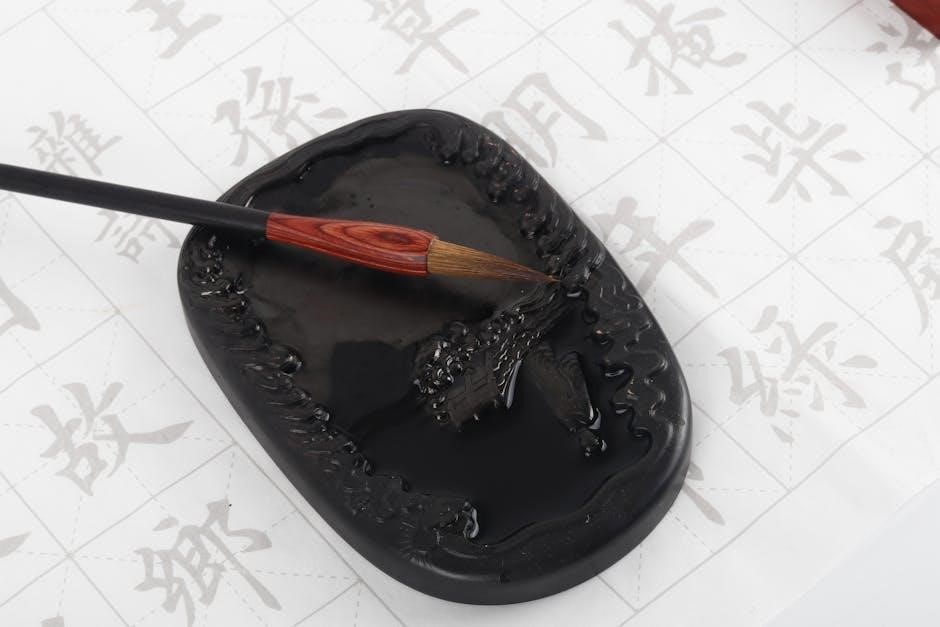
These supplementary materials are incredibly valuable for solidifying understanding and improving writing skills. They allow students to actively engage with the material beyond the textbook exercises. Searching online for “Integrated Chinese [Volume Number] practice sheets PDF” will yield a variety of downloadable resources.

Types of Practice Sheet Grids

Chinese character practice sheets utilize various grid formats, including the common (rice) grid , field grids for decomposition, and blank sheets for freehand writing practice, often as PDFs.
(Rice) Grid – A Common Practice Format

The (rice) grid, resembling the Chinese character for rice , is arguably the most prevalent format found in Chinese character practice sheets, frequently offered as PDF downloads. This grid consists of a network of squares, traditionally sized to accommodate a single Chinese character within its boundaries.
Its popularity stems from its simplicity and effectiveness in guiding learners to maintain proper character proportions. The grid provides visual cues, helping students understand the spatial relationships between strokes and components within a character. A4 and US paper sized PDF versions are readily available online.
Beginners often find the rice grid particularly helpful as it offers a structured environment for developing muscle memory and improving handwriting legibility. It encourages consistent sizing and placement of strokes, crucial for accurate character formation. Many free resources and textbook supplements utilize this grid format extensively.
Using a rice grid allows for focused practice, minimizing the cognitive load associated with freehand character writing, especially in the initial stages of learning.
Field Grid for Character Decomposition
Unlike the standard (rice) grid, the field grid in Chinese character practice sheets (often found as PDFs) is specifically designed to facilitate character decomposition. It features larger, more defined squares, intended to isolate and practice individual components – radicals and sub-components – within a character.
This format is particularly useful for understanding the building blocks of complex characters. Learners can practice writing each radical separately before combining them to form the complete character. This approach reinforces radical recognition and aids in memorization.
PDF practice sheets utilizing field grids often include dotted outlines of radicals, providing a guide for initial strokes. This method helps develop accurate stroke order and proportion for each component.
The field grid encourages a deeper understanding of character structure, moving beyond rote memorization to a more analytical approach. It’s a valuable tool for intermediate and advanced learners seeking to improve their character writing skills and comprehension.
Blank Practice Sheets for Freehand Practice
Chinese character practice sheets, readily available as PDF downloads, aren’t always about rigid grids. Blank practice sheets offer a crucial stage for developing freehand writing skills. These sheets provide a clean, unlined space for learners to recreate characters from memory, focusing on proportion and aesthetic balance.
After consistent practice with gridded sheets, transitioning to blank sheets is essential. It forces learners to internalize the correct structure and spatial relationships within each character. This method builds muscle memory and improves overall handwriting quality.
Many PDF resources offer variations – some with faint guidelines, others completely blank – catering to different skill levels. Utilizing blank sheets alongside squared paper further refines character proportion and consistency.
Regular use of blank practice sheets fosters a more natural and fluid writing style, moving beyond mechanical reproduction towards confident and expressive character formation. It’s a vital step in mastering Chinese calligraphy and handwriting.

Effective Practice Techniques
PDF practice sheets are most effective with daily, consistent effort. Focus on correct stroke order and radical recognition while utilizing squared paper to maintain character proportions.
Consistent Daily Practice
Establishing a routine of consistent, daily practice is paramount when utilizing Chinese character practice sheets, particularly those in PDF format. Even dedicating just 15-30 minutes each day yields significantly better results than infrequent, lengthy sessions. This approach reinforces muscle memory and solidifies character recognition.
The key is repetition. Working through practice sheets regularly, even with characters you’ve previously mastered, helps to maintain fluency. Don’t simply copy; actively engage with the character’s meaning and components.
Leverage the convenience of PDF sheets – print multiple copies for repeated practice. Consider setting small, achievable goals for each session, such as mastering a specific number of characters or focusing on a particular radical. Consistency, combined with focused attention, is the cornerstone of successful Chinese character acquisition. Regular use of these sheets builds a strong foundation for reading and writing.
Focus on Stroke Order and Radical Recognition
When working with Chinese character practice sheets – especially PDF versions – prioritize correct stroke order. Mastering this isn’t merely aesthetic; it impacts legibility and character structure. Many sheets don’t explicitly show stroke order, so supplemental resources are helpful.
Simultaneously, actively identify and understand radicals within each character. These are the building blocks, providing clues to meaning and aiding memorization. Deconstructing characters into their radical components, often facilitated by “field grid” style practice sheets, enhances learning.
Don’t just mindlessly copy; consciously analyze each stroke and radical as you write. This deliberate approach transforms practice from rote memorization to meaningful understanding. Utilizing PDF sheets alongside resources explaining radicals and stroke order maximizes their effectiveness, fostering a deeper connection with the characters.
Utilizing Squared Paper for Character Proportion
While Chinese character practice sheets, often in PDF format, provide helpful grids, supplementing with squared paper offers additional benefits for mastering character proportions. The grid on practice sheets, like the common ‘rice’ field design, is a great starting point.
However, transitioning to blank squared paper encourages independent assessment of character size and balance. This is crucial as characters aren’t uniformly sized; some are wider, taller, or more complex.
Using squared paper allows you to visually break down the character into its constituent parts and ensure they occupy appropriate space within the overall structure. It’s a valuable technique for developing a sense of visual harmony and achieving aesthetically pleasing, and correctly formed, characters. It complements PDF practice by fostering independent skill development.