
the diary of anne frank the play pdf
The Diary of Anne Frank: The Play – A Comprehensive Guide to the PDF Version
This guide details the PDF version of Frances Goodrich’s play, based on Anne Frank’s diary. It includes the full script, set designs, and production elements.
Historical Context of the Play
The play, adapted from Anne Frank’s diary, is deeply rooted in the harrowing realities of World War II and the Holocaust. Anne Frank’s diary provides a firsthand account of a Jewish family’s desperate attempt to evade Nazi persecution by hiding in a concealed annex in Amsterdam.
The historical backdrop of the play is crucial to understanding its emotional weight. The systematic persecution and eventual genocide of six million Jews during the Holocaust form the play’s central tragedy. The diary, and subsequently the play, offer a poignant glimpse into the human cost of intolerance and hatred. The PDF version often includes contextual notes, enhancing understanding of the era’s political climate and the dangers faced by Jewish people during this period. It’s a story of survival, fear, and ultimately, loss.
The Original Diary and its Transformation into a Play
Anne Frank’s diary, begun in 1942 while in hiding, is a remarkably intimate and honest record of her experiences. Initially a personal account, it evolved into a powerful testament of resilience and hope amidst unimaginable circumstances. The PDF of the play represents a significant adaptation of this deeply personal work.
Frances Goodrich and Albert Hackett meticulously transformed the diary into a dramatic script, expanding upon the original text while preserving its core emotional truth. The play broadens the scope, incorporating characters and events to create a compelling narrative for the stage. The PDF often includes notes on these adaptations, highlighting the playwrights’ choices in shaping Anne’s story for a wider audience. It’s a testament to the diary’s enduring power and universal themes.
Frances Goodrich and Albert Hackett: The Playwrights
Frances Goodrich and Albert Hackett were a celebrated American writing duo, renowned for their successful collaborations in both stage and screenwriting. Their adaptation of “The Diary of Anne Frank” stands as their most enduring work, demonstrating their sensitivity and skill in transforming personal narratives into compelling drama.
The PDF version of the play often acknowledges their contribution, detailing their approach to adapting Anne Frank’s diary. They skillfully expanded upon the original text, creating dialogue and scenes to enhance the dramatic impact while remaining faithful to the spirit of the diary. Their work brought Anne’s story to a broader audience, solidifying its place in theatrical history. The PDF provides insight into their creative process and the challenges of adapting such a poignant and historically significant work.
The Play’s Premiere and Initial Reception
“The Diary of Anne Frank” premiered in 1955 at the Antoinette Perry Theatre on Broadway, achieving immediate and widespread critical acclaim. The PDF versions available often include historical notes detailing this initial reception, highlighting its profound impact on audiences during the post-war era.

Reviews lauded the play’s emotional depth and its powerful depiction of the Holocaust. It resonated deeply with a public grappling with the horrors of World War II and the importance of remembering its victims. The play quickly became a commercial success, running for over 500 performances. The PDF may contain excerpts from original reviews, offering a glimpse into the play’s initial cultural significance and enduring legacy, solidifying its place as a theatrical masterpiece.
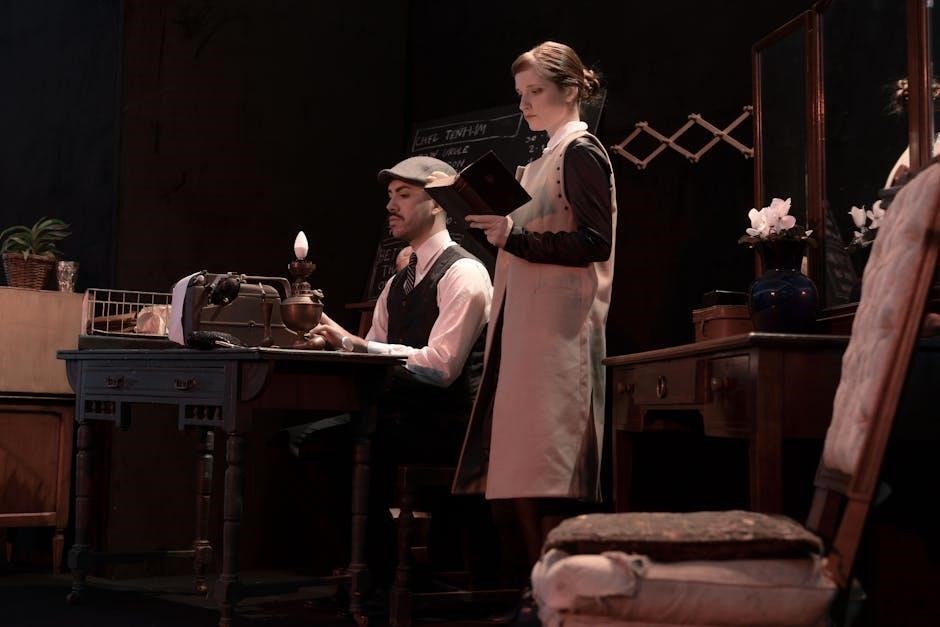
Finding the “Diary of Anne Frank The Play PDF” Online
Locating the play’s PDF involves exploring legitimate sources like the Internet Archive and Project Gutenberg, ensuring safe and legal access to the script.
Legitimate Sources for PDF Downloads
Securing a copy of “The Diary of Anne Frank: The Play” PDF requires utilizing trustworthy online platforms. The Internet Archive stands out as a primary resource, offering digitized versions of the script and related production materials. Users can freely download, borrow, or stream the PDF, benefiting from its extensive collection of historical and literary works.

Furthermore, exploring platforms similar to Project Gutenberg may yield results, though availability can vary. These digital libraries often host public domain texts, potentially including older editions of the play. Always verify the source’s legitimacy to avoid copyright infringement and ensure the file’s safety. Prioritizing these established archives guarantees access to a reliable and legally obtained copy of the play’s script.
Internet Archive Resources
The Internet Archive provides a valuable repository for accessing “The Diary of Anne Frank: The Play” in PDF format. Currently, the archive hosts multiple entries related to both the diary itself and Goodrich’s adaptation. One listing details a 121-page edition, based on Anne Frank’s diary, featuring a cast of five men and five women.
This PDF includes not only the full script but also comprehensive production details – set descriptions for all four rooms, musical scores for the play’s songs, scene design charts, production and general notes, pronunciation guides, property plots, strike notes, costume plots, lighting and sound cues, and even artists’ renditions of the stage spaces. The archive’s timestamp indicates this resource was available as of December 22, 2021.
Project Gutenberg and Similar Platforms
While Project Gutenberg itself doesn’t currently host a direct PDF of Frances Goodrich and Albert Hackett’s play adaptation, it’s crucial to explore similar platforms dedicated to providing free access to literary works. These platforms often contain digitized versions of classic plays and historical documents.
Searching for “Anne Frank diary” or “The Diary of Anne Frank play script” on these sites may yield results, though availability can fluctuate. It’s important to verify the source and ensure the PDF is a legitimate, complete version of the play, and not simply excerpts from the original diary. Remember to check licensing information to confirm legal usage rights before downloading or distributing any found PDFs.
Potential Risks of Downloading from Unverified Sources
Downloading the “Diary of Anne Frank The Play PDF” from unverified websites carries significant risks. These sites often host malware, viruses, and potentially harmful software disguised as legitimate files. Such downloads can compromise your device’s security and personal information.
Furthermore, PDFs from untrustworthy sources may be incomplete, corrupted, or contain inaccurate versions of the script. Copyright infringement is also a concern, as distributing unauthorized copies is illegal. Always prioritize reputable sources like the Internet Archive or official publisher websites to ensure a safe and legally compliant download experience; Exercise extreme caution and utilize robust antivirus software.

Content Breakdown of the Play PDF
The PDF contains the complete play script, a detailed character list, set design information, and even included music manuscripts for songs within the production.
Full Script of the Play
The core of the PDF is, of course, the complete script of Frances Goodrich and Albert Hackett’s adaptation of Anne Frank’s diary. This isn’t simply a condensed version; it’s the full theatrical work, offering all the dialogue, stage directions, and emotional depth intended for performance. The script meticulously portrays the experiences of the Frank family and their companions while in hiding during the Nazi occupation.
Readers and potential production teams will find every line spoken by each character, allowing for a thorough understanding of their motivations and relationships. The script’s formatting is designed for theatrical use, clearly indicating entrances, exits, and crucial moments for actors and directors. It’s a foundational element for anyone studying or planning a production of this powerful and poignant play, providing the complete narrative framework;
Character List and Descriptions
The PDF provides a comprehensive character list, detailing each role within the play and offering essential descriptions to aid in casting and character development. This section outlines the key players – the Frank family (Otto, Edith, and Anne), the van Pels family (Hermann, Auguste, and Peter), Mr. Dussel, and Miep Gies and Mr. Kraler, their helpers.
Beyond simply naming the characters, the PDF offers insights into their personalities, backgrounds, and relationships. These descriptions are invaluable for actors preparing for their roles, providing a foundation for understanding their motivations and emotional journeys. The list clarifies the dynamics between characters, crucial for portraying the complex interactions within the confined space of the Secret Annex. It’s a vital resource for directors and designers as well.
Detailed Set Design Information
The PDF meticulously details the set design, crucial for recreating the claustrophobic atmosphere of the Secret Annex. It features a complete description of all four rooms – the main living area, the attic, the office, and the storage space – providing dimensions and layout specifics.
Beyond basic descriptions, the PDF includes a scene design chart indicating masking wings and other stage elements. Artists’ renditions visually depict the four spaces, offering a clear understanding of the intended aesthetic. This section is invaluable for set builders, designers, and stage managers, ensuring accurate construction and placement of props. The detailed plans aim to authentically represent the confined living conditions experienced by those in hiding, enhancing the play’s emotional impact.
Music Manuscripts Included in the PDF
A significant component of the PDF is the inclusion of music manuscripts for the two songs featured within the play. These aren’t merely lyrics; the complete musical notation is provided, allowing for accurate reproduction of the soundscape. This is essential for directors and musical supervisors aiming for an authentic performance.
The songs contribute to the emotional depth of the narrative, offering moments of respite and reflection amidst the tension. Having the full scores eliminates the need for separate sourcing and ensures consistency in interpretation. The inclusion of these manuscripts demonstrates a commitment to providing a comprehensive resource for any production team, facilitating a richer and more immersive theatrical experience for both performers and audiences.

Production Elements Detailed in the PDF
The PDF thoroughly outlines production aspects, including scene designs, production notes, pronunciation guides, and a detailed property plot for stage management.
Scene Design Charts
The PDF provides comprehensive scene design charts crucial for recreating the confined world of the Secret Annex. These charts meticulously detail the masking wings and overall stage layout, offering a visual blueprint for constructing the set. They illustrate the four rooms within the annex, providing a clear understanding of their spatial relationships and limitations.
Furthermore, the charts specify dimensions and placement of key set pieces, aiding in accurate replication. Artists’ renditions of the stage spaces are also included, offering a conceptual visualization of the final look and feel. These detailed charts aren’t merely diagrams; they are essential tools for directors, set designers, and builders, ensuring a faithful and impactful representation of Anne Frank’s hiding place. They contribute significantly to the play’s immersive quality.
Production Notes and General Notes
The PDF version of “The Diary of Anne Frank” play includes extensive production notes, offering invaluable guidance for staging. These notes cover a wide range of practical considerations, from directorial approaches to technical requirements. General notes provide overarching context and artistic intentions, helping the production team understand the play’s core themes and emotional resonance.
Detailed instructions regarding pacing, character interpretation, and overall atmosphere are present. These notes serve as a central resource for maintaining consistency and artistic vision throughout the production process. They are designed to assist both experienced and novice theatre practitioners in bringing Goodrich and Hackett’s adaptation to life with sensitivity and authenticity, ensuring a powerful and moving theatrical experience.
Pronunciation Guide for Characters
A key component of the “Diary of Anne Frank” play PDF is a dedicated pronunciation guide for each character’s name and frequently used terms. This is particularly crucial given the Dutch and German backgrounds of several characters and the potential for mispronunciation. The guide ensures clarity and respect for the historical context, aiding actors in delivering authentic performances.
It meticulously details the phonetic spelling of names like “Frank,” “Van Daan,” and “Dussel,” alongside common Dutch phrases appearing in the script. This resource minimizes errors and enhances the audience’s understanding, fostering a more immersive and respectful theatrical experience. Accurate pronunciation contributes significantly to the play’s overall authenticity and emotional impact.
Property Plot – Stage Props and Management
The “Diary of Anne Frank” play PDF features a comprehensive property plot, detailing every stage prop required for each scene. This isn’t merely a list; it’s a meticulously organized document outlining the specific items, their sources, and precise placement during the performance. Crucially, it includes notes on prop handling, quick changes, and storage between acts, streamlining stage management.
From Anne’s diary itself to the meager furnishings of the Secret Annex – chairs, tables, and ration books – every item is accounted for. The plot specifies quantities, conditions (worn, new), and any special instructions. This detailed approach minimizes errors during performances and ensures a historically accurate and visually compelling representation of the Frank family’s confined world.

Technical Aspects Covered in the PDF
The PDF meticulously details technical elements, including costume plots, light and sound cues, and strike notes, aiding seamless production execution for the play.
Costume Plot – Character Wardrobe
The PDF’s costume plot provides a comprehensive overview of each character’s wardrobe, crucial for accurate period representation. It details specific garments, fabrics, and colors for everyone in the cast, from Anne and her family to the Van Daans and Mr. Dussel.
This section isn’t merely a list; it’s a visual and descriptive guide. Expect detailed notes on how clothing reflects each character’s personality and evolving circumstances throughout the play’s duration. Considerations for wear and tear, reflecting the hardships of hiding, are also likely included.
The plot likely specifies undergarments, outerwear, and accessories, ensuring a cohesive and historically plausible aesthetic. It’s an invaluable resource for costume designers and builders, streamlining the wardrobe creation process and guaranteeing a visually compelling production.
Light Cues and Sound Cues
The PDF meticulously outlines light and sound cues, essential for establishing mood and enhancing dramatic impact. These cues aren’t random; they’re carefully timed to underscore key moments, transitions, and emotional shifts within the play. Expect detailed descriptions of lighting changes – intensity, color, and direction – alongside precise timing instructions.
Sound cues encompass everything from ambient noises representing the outside world to specific effects highlighting tension or relief. The PDF likely specifies the type of sound, its volume, and its duration.
These technical details empower the production team to create a fully immersive experience, amplifying the play’s emotional resonance and drawing the audience deeper into the Frank family’s story.
Strike Notes Between Acts
The PDF provides comprehensive “strike notes,” detailing exactly what stage elements need to be removed and rearranged between each act. These aren’t simply suggestions; they’re precise instructions crucial for efficient scene changes and maintaining the play’s pacing. Expect a list of props to be cleared, furniture to be repositioned, and set pieces to be adjusted.
These notes minimize downtime, ensuring a seamless transition for the audience. They also safeguard against errors, preventing delays and maintaining the integrity of the set design.
Detailed strike notes demonstrate the play’s complexity and the meticulous planning required for a successful production, streamlining the technical aspects of the performance.
Artists’ Renditions of Stage Spaces
The PDF includes “artists’ renditions” – detailed visual depictions of the four distinct stage spaces used throughout the play. These aren’t simple sketches; they’re fully realized artistic interpretations of the set design, offering a clear understanding of the intended aesthetic and atmosphere.
These renditions showcase the cramped quarters of the Secret Annex, emphasizing the feeling of confinement and the characters’ restricted lives. They provide invaluable guidance for set builders, painters, and lighting designers.
The visual representations help everyone involved in the production to align their efforts, ensuring a cohesive and impactful stage presence, bringing the story to life.

Analyzing the Play’s Themes
The play powerfully explores the horrors of the Holocaust, loss of innocence, and the enduring strength of hope amidst unimaginable adversity and pressure.
The Horrors of the Holocaust
The play unflinchingly portrays the chilling realities faced by Jewish families during the Holocaust, specifically through the confined existence of the Franks and Van Daans in the Secret Annex. The PDF version of the script allows for a detailed examination of how Goodrich and Hackett dramatize the constant fear of discovery, the deprivation of basic freedoms, and the ever-present threat of deportation.
It highlights the systematic persecution and dehumanization experienced by Anne and her family, showcasing the psychological toll of living under such oppressive conditions. The script doesn’t shy away from depicting the anxieties, the dwindling hope, and the ultimate tragic fate that awaited many during this dark period in history. Studying the play’s PDF provides a visceral understanding of the Holocaust’s impact on individuals and families.
Loss of Innocence During Wartime
The PDF of “The Diary of Anne Frank” powerfully illustrates the abrupt end to childhood innocence forced upon young people during wartime. Anne’s transformation from a carefree girl to one burdened by fear, responsibility, and the harsh realities of persecution is central to the play. The script details her evolving understanding of the world, marked by loss of freedom, the threat of violence, and the constant struggle for survival.
Through the PDF, one can analyze how Goodrich and Hackett portray Anne’s attempts to maintain hope and normalcy amidst chaos, her budding adolescence stifled by confinement, and her grappling with complex emotions. The play serves as a poignant reminder of the devastating impact of war on the lives of children, stripping them of their youth and forcing them to confront unimaginable horrors.
The Importance of Hope and Resilience
The “Diary of Anne Frank” play, as detailed in the PDF, profoundly emphasizes the enduring power of hope and human resilience even in the face of unimaginable adversity. Despite the claustrophobic confines of the Secret Annex and the ever-present threat of discovery, Anne’s spirit remains remarkably unbroken. The script showcases her unwavering belief in the goodness of people and her determination to find meaning and purpose in life.
The PDF allows examination of how the playwrights highlight Anne’s intellectual curiosity, her dreams for the future, and her ability to find joy in small moments. This resilience isn’t solely Anne’s; it’s reflected in the collective efforts of those in hiding to maintain a semblance of normalcy and support one another, demonstrating the strength found in unity.
Family Dynamics Under Extreme Pressure
The “Diary of Anne Frank” play PDF vividly portrays the complex and often strained family dynamics exacerbated by the extreme pressure of confinement and fear. The script details the tensions between Anne and her mother, the protective nature of her father, and the challenges faced by the Van Pels family as they navigate shared living quarters.
The PDF’s detailed character descriptions illuminate the pre-existing personality clashes that are amplified by their desperate circumstances. The play doesn’t shy away from depicting arguments, misunderstandings, and the emotional toll of constant anxiety. Examining the script reveals how the need for survival forces these individuals to confront their own flaws and vulnerabilities, ultimately testing the bonds of family and friendship.

Educational Uses of the Play PDF
The PDF serves as a valuable tool for classroom study, drama club productions, and historical research, fostering empathy and understanding of the Holocaust.

Classroom Study and Discussion
The play’s PDF format facilitates in-depth classroom analysis of Anne Frank’s story and the historical context of the Holocaust. Students can readily access the full script for close reading, examining Goodrich and Hackett’s adaptation of the original diary.
Discussion can center on the themes of persecution, resilience, and the loss of innocence. The included character list and descriptions aid comprehension, while production notes offer insights into the playwrights’ intentions.
Furthermore, the PDF’s detailed set design information sparks conversations about the claustrophobic conditions faced by those in hiding. Analyzing the music manuscripts provides a unique perspective on the emotional landscape of the play, enriching the educational experience and promoting critical thinking.
Drama Club Productions
The PDF version of “The Diary of Anne Frank” is an invaluable resource for drama clubs undertaking a production. The complete script allows for thorough rehearsal and character development, while the detailed character list aids in casting decisions.
Crucially, the PDF includes comprehensive production elements – set design charts, property plots, costume plots, light cues, and sound cues – streamlining the technical aspects of staging.
Music manuscripts for the play’s songs are also provided, simplifying musical arrangements. The pronunciation guide ensures accurate delivery of dialogue, and artists’ renditions of stage spaces offer visual inspiration. This readily available, all-in-one format significantly reduces production challenges and fosters a successful theatrical experience.
Historical Research and Analysis
The “Diary of Anne Frank” play PDF serves as a powerful primary source for historical research, complementing Anne Frank’s original diary and offering insights into the adaptation process. Students can analyze how Goodrich and Hackett translated personal narrative into dramatic form, examining choices made in representing the Holocaust.
The PDF’s inclusion of contextual information – relating to World War II, Jewish persecution, and the Netherlands during 1933-1945 – enhances research capabilities.
Comparing the play’s script with the diary itself allows for critical analysis of historical interpretation and dramatic license. Furthermore, the production notes and set designs provide valuable context regarding the play’s original staging and intended impact, enriching scholarly understanding.
Promoting Empathy and Understanding
The “Diary of Anne Frank” play PDF fosters empathy by presenting a deeply personal account of life during the Holocaust, making historical events relatable on a human level. Access to the full script allows readers to connect with Anne’s voice and the struggles of those in hiding.
Studying the characters and their dynamics, detailed within the PDF, encourages understanding of the psychological impact of persecution and the importance of resilience.
The play’s portrayal of universal themes – family, hope, and loss – transcends historical context, promoting compassion and challenging prejudice. Utilizing the PDF in educational settings can spark meaningful discussions about tolerance and the dangers of discrimination.