
vocsn ventilator manual
VOCSN Ventilator Manual: A Comprehensive Guide
This manual details the VOCSN ventilator, a crucial device for respiratory support, especially highlighted by recent events and large-scale federal orders.
The VOCSN ventilator, manufactured by Ventec Life Systems, represents a significant advancement in critical care respiratory support. Originating from a Bothell, Washington-based company established seven years prior, the VOCSN has rapidly become a vital tool in managing respiratory distress. Recent events, particularly as of April 22, 2026, have underscored its importance, with a notable collaboration between Ventec and General Motors aimed at increasing production capacity.
This collaboration was initiated to address a critical national need for ventilators. The VOCSN’s portability and advanced features make it suitable for diverse clinical settings, from emergency situations to long-term ICU care. The following sections will provide a comprehensive guide to understanding, setting up, operating, and maintaining this life-sustaining device.
What is a VOCSN Ventilator?
The VOCSN ventilator is a portable, versatile life support system designed for both invasive and non-invasive ventilation. Developed by Ventec Life Systems, it’s engineered to assist or replace a patient’s breathing function. Its compact design distinguishes it, making it ideal for rapid deployment in emergency scenarios and efficient transport.
As of April 22, 2026, the VOCSN is recognized for its critical role in national emergency preparedness, evidenced by a substantial order of 30,000 units from the federal government. This demand highlights its capabilities and reliability. The VOCSN supports a wide range of patient populations and ventilation modes, offering clinicians flexibility in treatment strategies.
Key Features of the VOCSN Ventilator
The VOCSN ventilator boasts several key features contributing to its effectiveness and adaptability. Its portability is paramount, enabling use across diverse settings – from hospital ICUs to emergency transport. The device supports a comprehensive suite of ventilation modes, catering to varied patient needs.
Ventec Life Systems, based in Bothell, Washington, designed the VOCSN with user-friendliness in mind. Recent collaborations, notably with General Motors, aimed to rapidly scale production to meet national demands. The VOCSN’s robust design and reliable performance have made it a cornerstone of emergency preparedness efforts, as demonstrated by the significant federal order placed on April 22, 2026.
Understanding VOCSN Ventilator Components
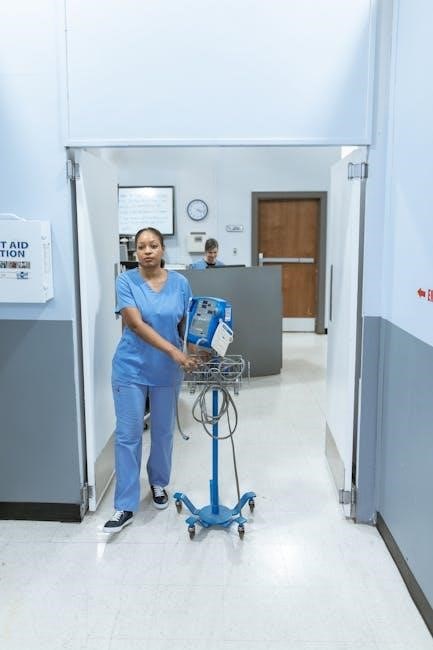
The VOCSN ventilator comprises a modular design, including the ventilator module itself, a power supply with battery backup, and an intuitive user interface.
Ventilator Module
The core of the VOCSN system is its remarkably portable ventilator module, developed by Ventec Life Systems in Bothell, Washington. This module represents years of engineering focused on delivering critical respiratory support in diverse settings. Its compact size and robust construction are key features, enabling effective ventilation during emergency transport, within hospital ICUs, and for a wide range of patient demographics.
The module’s internal mechanics precisely control airflow and pressure, adapting to individual patient needs. Recent collaborations, notably with General Motors, aimed to rapidly scale production of these modules to meet national emergency preparedness demands, highlighted by a substantial federal order of 30,000 units. This module is the heart of a life-sustaining system.
Power Supply and Battery
The VOCSN ventilator is engineered for reliable operation, incorporating both AC power connectivity and a robust internal battery system. This dual power source ensures uninterrupted ventilation, crucial during transport or in situations where AC power is unavailable. The battery provides significant operational time, allowing for extended use in emergency scenarios, a key consideration given recent national preparedness initiatives.
Ventec Life Systems prioritized power redundancy in the VOCSN’s design. The system seamlessly transitions between AC power and battery power, preventing any interruption in patient support. This feature is particularly vital considering the large-scale federal order for 30,000 units, intended for rapid deployment during national emergencies, demanding consistent and dependable performance.
User Interface and Controls
The VOCSN ventilator features an intuitive user interface designed for rapid setup and operation, even in high-stress environments. Controls are logically arranged, allowing clinicians to quickly adjust ventilation parameters and monitor patient data. This ease of use is paramount, especially considering the potential for widespread deployment during emergencies, as seen with the recent Ventec Life Systems and General Motors collaboration.
The interface provides clear visual feedback on all critical settings and patient conditions. Given the substantial federal order of 30,000 units, efficient training and straightforward operation are essential. The design prioritizes minimizing the learning curve, enabling healthcare professionals to effectively utilize the VOCSN’s capabilities in diverse clinical settings, from hospital ICUs to emergency transport situations.
Alarm System
The VOCSN ventilator incorporates a comprehensive alarm system designed to alert clinicians to potential issues affecting patient safety and ventilation effectiveness. These alarms cover a wide range of parameters, including high and low pressure, apnea, disconnection, and low battery status – critical given its use in transport and emergency scenarios.
Audible and visual alerts provide immediate notification, allowing for prompt intervention. The system’s reliability is particularly important considering the large-scale procurement by the federal government (30,000 units) for national emergency preparedness. Effective alarm management is crucial for ensuring optimal patient outcomes, especially during periods of increased demand, as highlighted by the Ventec Life Systems’ role in recent events.

Setting Up the VOCSN Ventilator
Proper setup involves initial inspection, secure power connection, patient circuit attachment, and careful ventilator mode selection for optimal respiratory support.
Initial Inspection
Before deploying the VOCSN ventilator, a thorough initial inspection is paramount to ensure patient safety and device functionality. Carefully examine the ventilator module for any visible signs of damage incurred during shipping or storage, including cracks, dents, or loose connections. Verify the integrity of all tubing and connectors within the patient circuit, checking for kinks, tears, or obstructions.
Confirm the power supply and battery are securely attached and show no signs of physical compromise. Inspect the user interface – the display screen and controls – for responsiveness and clarity. A functional alarm system is critical; briefly test its activation to confirm audibility.
Remember, Ventec Life Systems, based in Bothell, Washington, has been rapidly scaling production, so verifying each component’s condition is vital before use, especially given recent large federal orders.
Connecting to Power Source
The VOCSN ventilator offers flexible power options, accommodating both AC power and battery operation. First, verify the input voltage on the power supply matches the available AC source to prevent damage. Securely connect the power cord to the ventilator and then to a grounded outlet;
If utilizing battery power, ensure the battery is fully charged before operation. The VOCSN is designed for transport, making battery functionality crucial. Monitor the battery level indicator on the user interface during operation.
Ventec Life Systems’ collaboration with General Motors highlights the importance of reliable power for mass ventilator production, emphasizing the need for secure connections and consistent power delivery.
Patient Circuit Connection
Proper patient circuit connection is vital for effective ventilation. Begin by inspecting all components – the ventilator, patient tubing, and interface (mask or endotracheal tube) – for any damage or obstructions. Carefully attach the patient tubing to the ventilator’s designated ports, ensuring a secure and leak-proof seal.
Connect the other end of the tubing to the patient interface. Confirm the interface is appropriately sized and fitted for the individual patient. Regularly check connections during operation to maintain optimal ventilation.
The VOCSN’s portability, as seen in its use for transport and emergency situations, necessitates reliable circuit connections, mirroring the demands of the 30,000-unit federal order.
Ventilator Mode Selection
The VOCSN ventilator offers a range of modes to suit diverse patient needs. Mode selection depends on the patient’s respiratory status and clinical goals. Common modes include Volume Control (VC), Pressure Control (PC), and Spontaneous/Continuous Mandatory Ventilation (SIMV).
VC delivers a set tidal volume, while PC maintains a target airway pressure. SIMV allows spontaneous breaths with guaranteed minimum ventilation. Carefully assess the patient’s condition before selecting a mode.

Given the VOCSN’s role in national emergency preparedness, as evidenced by the Ventec-GM collaboration and federal orders, understanding these modes is crucial for rapid deployment and effective patient care.

Operating the VOCSN Ventilator
Effective operation requires precise parameter adjustments, diligent patient monitoring, and swift alarm response – skills vital given recent national emergency preparedness efforts.
Basic Ventilation Parameters
Understanding core parameters is fundamental to VOCSN operation. Tidal volume (Vt) dictates the volume of gas delivered with each breath, influencing oxygenation and carbon dioxide removal. Respiratory rate (RR) sets the breaths per minute, impacting overall ventilation.
Fraction of inspired oxygen (FiO2) controls the oxygen concentration, crucial for maintaining adequate saturation. Positive End-Expiratory Pressure (PEEP) keeps alveoli open, improving gas exchange.
Flow rate influences breath delivery speed, affecting patient comfort. These parameters, carefully adjusted based on patient needs and monitored via the VOCSN’s interface, are essential for effective respiratory support, particularly in critical situations where devices like VOCSN are vital, as demonstrated by recent large-scale orders.
Advanced Ventilation Modes
The VOCSN ventilator offers several advanced modes beyond basic ventilation. Volume Control (VC) delivers a set tidal volume, while Pressure Control (PC) maintains a target airway pressure. Synchronized Intermittent Mandatory Ventilation (SIMV) provides mandatory breaths synchronized with patient effort.
Pressure Support Ventilation (PSV) assists spontaneous breaths, reducing work of breathing. Additionally, the VOCSN supports adaptive ventilation strategies, adjusting parameters based on patient response.
These modes, crucial in complex respiratory cases, require careful monitoring and adjustment; The VOCSN’s capabilities are increasingly important, as evidenced by the substantial federal orders for these life-sustaining devices, highlighting their role in national emergency preparedness.
Monitoring Patient Data
The VOCSN ventilator provides comprehensive patient data monitoring, essential for optimal respiratory care. Key parameters include tidal volume, airway pressure, respiratory rate, and oxygen saturation. Continuous monitoring of EtCO2 (end-tidal carbon dioxide) assists in assessing ventilation effectiveness.
Real-time waveforms display pressure, flow, and volume, enabling clinicians to visualize ventilation patterns. The user interface allows for trend analysis, identifying changes in patient condition over time.
Accurate data interpretation is vital, especially given the VOCSN’s increased deployment during national emergencies, as seen with the 30,000-unit federal order. This data informs adjustments to ventilation settings, ensuring patient safety and improved outcomes.
Alarm Management and Troubleshooting
The VOCSN ventilator features a robust alarm system to alert clinicians to potential issues. Alarms are categorized by priority – high, medium, and low – indicating the severity of the situation. Common alarms include high/low airway pressure, apnea, and disconnection.
Effective alarm management requires understanding alarm causes and appropriate responses. Troubleshooting guides within the VOCSN interface assist in resolving common issues.
Given the ventilator’s critical role in emergency situations, like the recent collaboration between Ventec Life Systems and General Motors, prompt alarm response is paramount. Regular system checks and adherence to maintenance procedures minimize alarm occurrences and ensure reliable performance.

VOCSN Ventilator: Specific Applications
The VOCSN ventilator’s portability makes it ideal for emergency, transport, and ICU use, as demonstrated by the 30,000-unit federal order.
Emergency Ventilation
The VOCSN ventilator’s design prioritizes rapid deployment in critical situations, making it a vital tool during emergencies. Its portability, stemming from Ventec Life Systems’ origins in Bothell, Washington, allows for immediate respiratory support where traditional ventilators are impractical.
The recent collaboration with General Motors, initiated around April 22, 2026, underscores the VOCSN’s importance in mass casualty events and national emergencies. The federal government’s substantial order of 30,000 units directly addresses the need for readily available ventilation capacity.
Its robust functionality ensures reliable performance even with limited resources, crucial during disaster response. The VOCSN’s ability to function independently of centralized gas supplies further enhances its utility in emergency scenarios, providing life-sustaining support when it matters most.
Transport Ventilation
The VOCSN ventilator excels in transport ventilation due to its compact size and integrated power solutions. Originating from Ventec Life Systems in Bothell, Washington, its portability is a core design feature, crucial for moving critically ill patients.
Unlike many ventilators requiring external gas sources, the VOCSN’s self-contained operation—supported by both a power supply and internal battery—ensures uninterrupted respiratory support during transit. This capability is particularly valuable in pre-hospital care and inter-facility transfers.
The recent surge in demand, evidenced by the federal government’s order of 30,000 units, highlights the VOCSN’s role in bolstering national emergency preparedness, including efficient patient transport during widespread crises. Its reliability and ease of use make it ideal for diverse transport settings.
Hospital ICU Use
The VOCSN ventilator is a versatile tool for Intensive Care Units, offering a broad range of ventilation modes to address diverse patient needs. Developed by Ventec Life Systems, the VOCSN provides clinicians with precise control over respiratory parameters, essential for managing critically ill individuals.
Its advanced monitoring capabilities allow for real-time assessment of patient data, facilitating informed decision-making. The VOCSN’s robust design and reliability are crucial in the demanding ICU environment, where continuous operation is paramount.
The substantial federal order of 30,000 units underscores its importance in national emergency preparedness, ensuring hospitals have access to life-sustaining equipment during surges in patient volume. The VOCSN’s integration into ICU workflows enhances patient care and outcomes.
Use with Different Patient Populations
The VOCSN ventilator demonstrates adaptability across a wide spectrum of patient demographics, from emergency cases requiring immediate respiratory support to those needing long-term ventilation. Ventec Life Systems designed the VOCSN to be configurable for pediatric, adult, and even bariatric patients.
Its portability, a key feature, makes it suitable for transport within the hospital or during emergency medical evacuations. The ventilator’s versatility is particularly valuable given the recent collaboration with General Motors to increase production capacity.
This ensures broader access during crises; The VOCSN’s ability to cater to diverse needs reinforces its role in national emergency preparedness, as evidenced by the federal government’s significant order of 30,000 units.

Maintenance and Safety
Regular maintenance, diligent cleaning, and strict adherence to safety protocols are paramount for optimal VOCSN performance and patient well-being.
Routine Maintenance Procedures
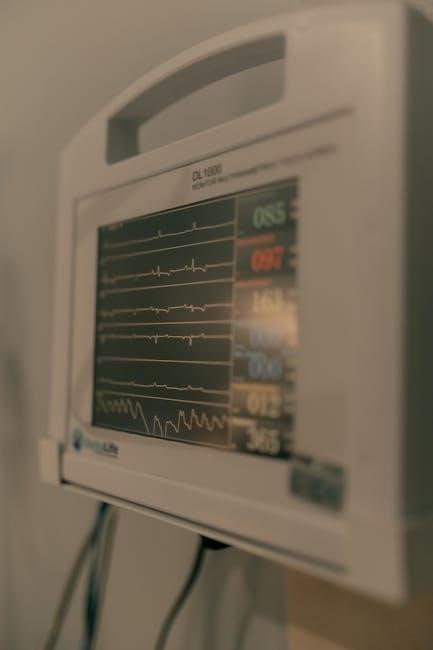
Consistent routine maintenance is vital for ensuring the VOCSN ventilator operates reliably and delivers optimal patient care. Daily checks should include visual inspection of all tubing for cracks or leaks, verifying secure connections, and confirming the proper functioning of the alarm system.
Weekly, a more thorough inspection is required, encompassing filter changes as per manufacturer guidelines, assessment of the humidifier system, and a functional test of all ventilator modes. Monthly procedures involve a complete system check, including battery performance evaluation and calibration verification.
Detailed records of all maintenance activities must be meticulously maintained, documenting dates, procedures performed, and any observed issues. Following these procedures will help prolong the ventilator’s lifespan and guarantee its readiness during critical situations, as demonstrated by recent national emergency preparedness efforts.
Cleaning and Disinfection
Maintaining a sterile environment is paramount when using the VOCSN ventilator to prevent healthcare-associated infections. Daily cleaning should involve wiping down all external surfaces with an approved disinfectant solution, focusing on areas frequently touched by personnel.
Patient circuits, including tubing and masks, require thorough cleaning and disinfection after each use, following established hospital protocols. Removable components should be disassembled and cleaned separately.
Regularly inspect and clean the humidifier system to prevent biofilm buildup. Always adhere to the manufacturer’s recommendations for compatible disinfectants and cleaning procedures, ensuring no residue remains that could harm the patient. Proper cleaning contributes to the VOCSN’s reliability, vital during times of increased demand, like the recent federal orders for 30,000 units.
Troubleshooting Common Issues
If the VOCSN ventilator displays an alarm, consult the alarm system section of this manual for specific troubleshooting steps. Common issues include circuit disconnections, power supply failures, and sensor malfunctions.
Verify all connections are secure and the power source is functioning correctly. If the issue persists, attempt a system reset, following the prescribed procedure.
For more complex problems, such as persistent alarms or inaccurate readings, contact qualified biomedical personnel. Given the VOCSN’s critical role – highlighted by the Ventec Life Systems and General Motors collaboration and substantial federal orders – prompt resolution is essential.
Safety Precautions
Always adhere to standard medical device safety protocols when operating the VOCSN ventilator. Ensure proper grounding and avoid using the device near flammable materials.
Regularly inspect the ventilator and patient circuit for damage, replacing components as needed. Given the VOCSN’s role in emergency and transport ventilation, as well as critical ICU care, diligent maintenance is paramount.
Personnel must receive comprehensive training on VOCSN operation and troubleshooting. The recent surge in demand – including the 30,000-unit federal order – underscores the need for skilled operators and strict adherence to safety guidelines.

VOCSN Ventilator and Recent Events (as of 04/22/2026)
Ventec Life Systems’ VOCSN ventilator gained prominence through a GM collaboration and a substantial 30,000-unit federal order for national emergency preparedness.
Ventec Life Systems and General Motors Collaboration
In early 2026, a significant partnership emerged between Bothell, Washington-based Ventec Life Systems and automotive giant General Motors. This collaboration was swiftly initiated to dramatically increase the production capacity of the VOCSN ventilator, addressing a critical national shortage anticipated due to emerging health crises. The initial discussions, occurring roughly two weeks prior to April 22nd, 2026, focused on leveraging GM’s manufacturing prowess and supply chain expertise to rapidly scale VOCSN production.
Ventec, a company founded seven years prior, specialized in creating these vital life-support machines. GM’s involvement aimed to overcome manufacturing hurdles and meet the escalating demand for ventilators, demonstrating a unique cross-industry response to a public health emergency. This alliance highlighted the VOCSN’s importance and potential to save lives during challenging times.
Federal Government Orders (30,000 Units)
On April 22nd, 2026, Ventec Life Systems received a landmark order from the federal government for 30,000 VOCSN ventilators. This substantial procurement, valued at approximately $489.4 million, underscored the VOCSN’s critical role in national emergency preparedness. The order was a direct response to anticipated surges in critically ill patients requiring respiratory support, emphasizing the need for a readily available supply of advanced ventilation equipment.
This massive order represented the single largest commitment to Ventec’s portable VOCSN ventilator to date, signifying the government’s confidence in the device’s capabilities and reliability. The VOCSN was identified as a key component in bolstering the nation’s capacity to respond to widespread respiratory emergencies, ensuring access to life-saving technology when and where it’s needed most.
VOCSN Ventilator Role in National Emergency Preparedness
The VOCSN ventilator has emerged as a pivotal asset in bolstering national emergency preparedness strategies. Its portable design and comprehensive ventilation capabilities make it uniquely suited for rapid deployment during crises, including pandemics and large-scale disaster events. The recent federal order for 30,000 units directly reflects this recognition.
Ventec Life Systems, a Bothell, Washington-based company, has become central to these efforts. The VOCSN’s ability to support a wide range of patient needs, coupled with its adaptability to various care settings, positions it as a crucial tool for healthcare providers facing overwhelming demand. This proactive investment ensures a stronger national response to future public health challenges.